Key Takeaways
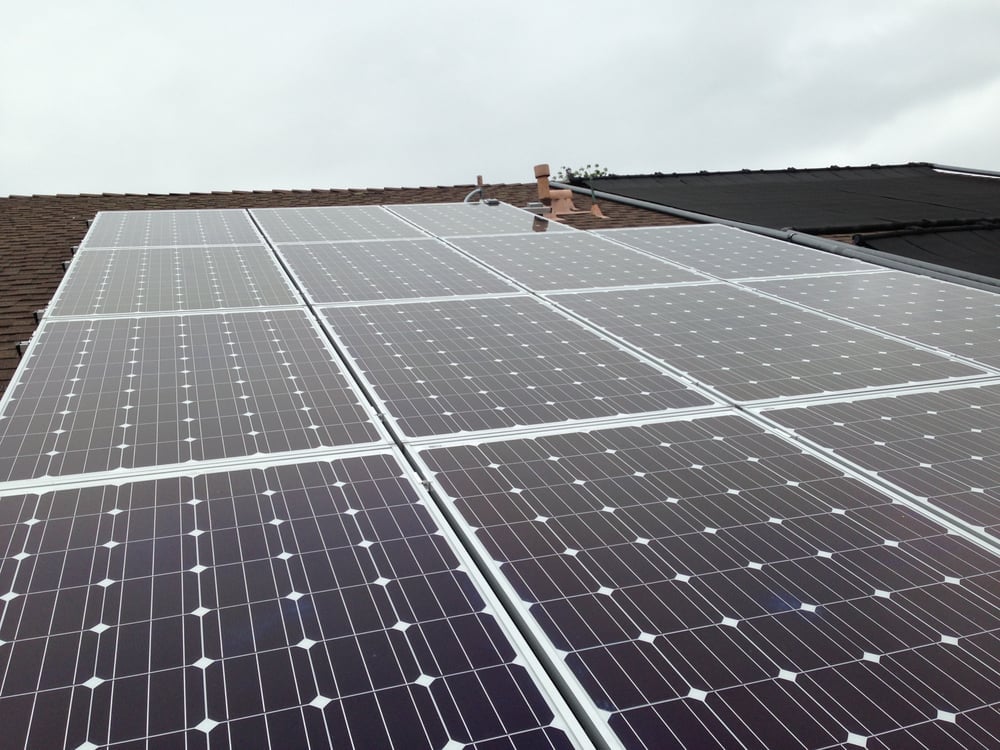
Solar panels are photovoltaic systems that convert sunlight into renewable energy for your home. A solar energy system reduces your dependence on the utility company by generating clean solar power directly on your property. This solar installation transforms your roof into an electricity-producing asset, cutting energy costs while reducing your carbon footprint and greenhouse gas emissions from fossil fuels.
Home value increases significantly when you add solar panels because over 80% of buyers now consider energy-efficient features important when purchasing residential properties, according to the National Association of Realtors 2024 study. Modern homebuyers prioritize energy independence and lower electric bills, making homes with solar energy systems highly attractive in the San Diego real estate market. Solar technology represents both immediate savings on utility rates and long-term property value appreciation—a dual benefit that few home upgrades can match. The growing preference for eco-friendly living means solar panel installation directly impacts buyer demand, helping homes sell faster and command higher prices in competitive markets like El Cajon, Chula Vista, and San Marcos.
Solar panels deliver substantial property value increases in San Diego's real estate market. Homes with solar energy systems sell for 6.9% more on average compared to homes without solar power, according to a 2025 SolarReviews analysis of Zillow home sales data. This solar premium has grown significantly—jumping from 4.1% in 2019 to 6.9% in 2025—reflecting increased buyer demand for residential solar panels and energy independence. Lawrence Berkeley National Laboratory research confirms these findings, showing an average increase of $5,911 per kilowatt installed across residential properties.
For a median San Diego home valued at $850,000, a typical 7.2 kW solar system adds approximately $43,725 to property value. Even more compelling: homeowners gain instant equity of $27,899 after accounting for solar installation costs and the federal solar tax credit. This return on investment outpaces most home upgrades, particularly when you factor in ongoing electricity bill savings and protection against utility rate hikes. The Berkeley Lab multi-state study demonstrates that solar appraisal values remain strong across California markets including El Cajon, Chula Vista, and San Marcos, making solar panel installation one of the most profitable residential property improvements available today.
San Diego's unique combination of exceptional climate and high electricity rates creates the perfect environment for solar energy systems to maximize both savings and property value. The region's abundant sunshine and premium utility rates mean solar panel installations deliver faster payback periods and stronger returns on investment than most U.S. markets, directly boosting home resale value and buyer demand.
San Diego averages 266 sunny days annually with average solar irradiance of 6.13 kWh/m²/day—ideal conditions for solar power generation according to National Renewable Energy Laboratory data. Over 94% of San Diego buildings are solar-viable, making residential solar panels practical for nearly every homeowner in areas like El Cajon, Chula Vista, and San Marcos. The region ranks #2 nationally for solar power capacity, demonstrating both the effectiveness of solar technology here and strong adoption rates that support property values. This climate advantage means your solar energy system produces consistent renewable energy year-round, maximizing electricity bill savings and home value appreciation.
San Diego Gas & Electric (SDG&E) rates average 45.5¢ per kWh—among the highest electricity rates in the nation—making solar installation exceptionally valuable for reducing energy costs. High utility rates mean greater avoided costs and faster payback periods, with most solar energy systems paying for themselves in under 5 years. A typical 7.2 kW solar system saves homeowners $1,858 annually without battery storage, or $3,390 annually when paired with a solar battery system that optimizes time-of-use pricing under the Net Billing Tariff. These substantial energy bill reductions translate directly to property value increases, as buyers recognize the long-term protection against rate hikes and the immediate benefit of lower electric bills—key factors driving solar premiums in San Diego's competitive real estate market.
Ownership status dramatically impacts how solar panels affect home value in San Diego's real estate market. Owned solar energy systems add substantial property value, while leased systems or Power Purchase Agreements add zero dollars to home resale value because the homeowner doesn't own the equipment. This distinction matters significantly when selling residential properties with solar installations.
| Ownership Type | Property Value Increase | Home Sale Complexity | Buyer Requirements | Value-to-Cost Ratio |
| Owned Solar System (5-12 kW) | $39,325 - $53,325 | Simple transfer with home | None - solar transfers with property | 2.76x for a typical 7.2 kW system |
| Solar Lease / PPA | $0 | Complicated - requires approval | Buyer must pass a credit check and qualify | N/A - no ownership |
| Transfer Timeline | Immediate with closing | 2+ weeks for lease approval | Varies by solar company | N/A |
| Buyout Option | N/A - already owned | Often required; premiums apply | May need upfront cash | Reduces seller proceeds |
Solar panels owned and financed through solar loans or purchased with cash qualify for the federal solar tax credit and federal solar investment tax credit, building immediate equity. The value-to-cost ratio for a typical owned 7.2 kW system reaches 2.76x—meaning homeowners gain $2.76 in property value for every dollar invested after tax incentives. Leased systems complicate home sales because buyers must meet credit requirements set by the solar company, and the transfer process can delay closing by two weeks or more. Many sellers with solar leases face buyout premiums to remove this obstacle, reducing their net proceeds. Lawrence Berkeley National Laboratory research confirms that solar appraisal values apply only to owned solar energy systems, making ownership essential for maximizing return on investment and property value in San Diego markets, including El Cajon, Chula Vista, and San Marcos.
Tax incentives and solar tax credits significantly reduce solar installation costs while protecting the property value increases that solar energy systems create. The federal solar tax credit and state-level programs make 2025 a critical year for homeowners considering solar panel installation, as major incentives expire soon.
The Federal Solar Investment Tax Credit (ITC) provides a 30% tax credit on total solar installation costs, averaging $6,782 in savings for typical residential solar panels in San Diego. This federal government incentive expires December 31, 2025, with no extension planned—meaning 2026 installations will see net costs increase 43% (from $15,826 to $22,608 for a standard system). California offers additional value protection through a 100% property tax exemption under state law, allowing homeowners to capture the full $43,725 property value increase without higher property taxes. The California Self-Generation Incentive Program (SGIP) provides battery storage rebates of $1,000/kWh, translating to $13,500 for a typical 13.5 kWh solar battery system—dramatically improving payback periods and return on investment.
Additional solar incentives include programs listed in the Database of State Incentives for Renewables and Efficiency, such as the San Diego Solar Equity Program for qualifying homeowners. These combined tax incentives mean owned solar energy systems deliver immediate equity gains while reducing energy costs and electricity bills. The California Public Utilities Commission's Solar Billing Plan (Net Billing Tariff) also provides electricity export credits, though at reduced rates compared to previous net metering programs. Homeowners should act before December 31, 2025 to maximize federal tax credit benefits, as loan finance options and solar loans still allow access to these incentives even without upfront cash for solar installation cost.
Solar panels significantly accelerate home sales in San Diego's competitive real estate market. Homes with solar energy systems spend 13.3% less time on market and are 24.7% more likely to sell over asking price compared to homes without solar power. This speed advantage reflects strong buyer demand for residential properties with installed solar panels, particularly as electricity rates continue rising and energy independence becomes a priority for homeowners.
Real estate professionals recognize this market shift—57% of realtors report that promoting energy efficiency features like solar panel systems adds valuable marketing appeal to listings. Younger buyers, especially Millennials and Gen Z homebuyers, actively prioritize environmental features and lower energy costs when searching for residential properties in San Diego, El Cajon, Chula Vista, and San Marcos. Many buyers now specifically filter for homes with pre-installed solar energy systems, viewing solar technology as essential rather than optional. The combination of immediate electric bill savings, protection against utility rate hikes, and reduced carbon footprint makes solar homes stand out in crowded markets. Lawrence Berkeley National Laboratory research confirms this trend across multiple regions, showing that solar panel installation enhances marketability while delivering property value premiums. For sellers, this means owned solar power systems not only increase home value by $43,725 on average but also reduce carrying costs by shortening time to sale—a dual financial benefit that few other home upgrades provide.
Battery storage systems dramatically enhance both the financial performance and property value of solar energy systems in San Diego. A solar battery paired with solar panels reduces the payback period from 8.5 years to just 3.2 years—making it one of the fastest-returning home upgrades available. This acceleration occurs because battery storage is critical under the California Public Utilities Commission's Net Billing Tariff (NEM 3.0), which reduced electricity export credits by approximately 75% compared to previous net metering programs.
Battery storage systems increase self-consumption rates from 30% to 75%, allowing homeowners to store solar power generated during peak production hours and use it during expensive peak hours when SDG&E time-of-use rates reach $0.62 per kWh. This optimization translates to substantial long-term savings: 25-year lifetime value reaches $121,427 with solar battery systems versus only $48,310 for solar panels alone. The California Self-Generation Incentive Program (SGIP) offers battery storage rebates of $1,000/kWh (up to $13,500 for typical 13.5 kWh systems), further improving return on investment. Beyond financial benefits, battery storage provides backup power during outages—a key selling point that increases buyer demand in San Diego's real estate market. Homeowners gain energy independence from the utility company while protecting against rate hikes and grid reliability issues. Research from Lawrence Berkeley National Laboratory and National Renewable Energy Laboratory confirms that residential properties with solar battery systems command higher property values and stronger solar premiums, as buyers recognize both the immediate electricity bill savings and the enhanced homeownership experience that battery storage delivers.
Solar panel installation adds immediate equity to residential properties in San Diego, making it a smart move even for homeowners planning to sell within a few years. The home value increase of $43,725 for a typical 7.2 kW solar energy system far exceeds the net cost of $15,826 after applying the federal solar tax credit—creating instant equity of $27,899 from day one. This property value premium appears in solar appraisal values and home sales data, meaning sellers capture this appreciation when listing their homes.
Real-world results confirm this strategy works on short timelines. One San Diego homeowner sold their house just 2 years after solar installation for $16,000 over the expected price, demonstrating how buyer demand for solar homes translates to premium offers in the real estate market. Timing matters critically in 2025: the Federal Solar Investment Tax Credit, providing $6,782 in average savings, expires December 31, 2025, after which solar installation costs increase 43%. Even a 2-year ownership period captures both operational savings through lower electricity bills and the full resale premium when selling. Berkeley Lab research shows that solar energy systems maintain strong property value impacts regardless of age, as buyers value the long-term energy cost reductions and protection against utility rate hikes. For homeowners in San Diego, El Cajon, Chula Vista, and San Marcos considering solar panels, installing before listing maximizes return on investment while appealing to the 80% of buyers who prioritize energy-efficient features. The combination of federal tax incentives, California's property tax exemption, and immediate equity gains makes 2025 the optimal year for solar panel installation before any planned home sale.
Ready to increase your San Diego home's property value while reducing energy costs? Precision General Contracting specializes in residential solar panel installation across San Diego, El Cajon, Chula Vista, and San Marcos. Our experienced energy consultants help homeowners navigate solar permitting, federal tax credits, and California incentives to maximize their return on investment.
Don't miss the 30% Federal Solar Investment Tax Credit expiring December 31, 2025. Contact Precision General Contracting today for a free solar energy system consultation and discover how solar panels can add $43,725+ to your home value while cutting electricity bills by thousands annually. Act now to capture these limited-time solar tax credits and transform your residential property into a high-value, energy-independent home.
Call Precision General Contracting or visit our website to schedule your free solar assessment and start building equity today.