Why Finding the Right Siding Repair Contractor Matters
Siding repair contractors are licensed professionals who diagnose, repair, and restore damaged exterior siding on residential and commercial properties. Finding a qualified contractor ensures your home's protective barrier is restored properly, preventing moisture intrusion, structural damage, and costly energy loss.
Quick Guide to Finding Siding Repair Contractors:
- Search local directories - Use online searches and platforms like the Better Business Bureau (BBB) to find vetted professionals in your area
- Verify credentials - Confirm licensing, liability insurance, and workers' compensation coverage
- Check experience - Look for contractors with 10+ years in business and expertise in your specific siding material
- Read reviews - Examine customer testimonials focusing on professionalism, communication, and quality of work
- Get multiple quotes - Request at least three detailed, itemized estimates before making a decision
- Ask about warranties - Ensure both material and labor warranties are offered in writing
Your home's siding is more than just decoration. It's a protective shield that stands between your family and the elements every single day. Siding acts as a system strategically installed to protect your home from weather, pests, and moisture damage.
When that shield starts to fail—through cracks, warping, or storm damage—the consequences go far beyond curb appeal. Moisture can seep into your walls, leading to rot, mold, and structural issues that cost thousands to repair. Your energy bills may spike as gaps in the siding compromise your home's insulation.
The problem? Not all siding contractors deliver quality, reliable results. With so many options in the marketplace, choosing the wrong professional can mean shoddy workmanship, hidden costs, or repairs that fail within months.
This guide will walk you through everything you need to know about hiring siding repair contractors. You'll learn how to spot damage early, understand repair costs, vet contractors properly, and avoid the common mistakes that leave homeowners frustrated. Whether you're dealing with minor cracks or extensive storm damage, you'll have the knowledge to make confident decisions and protect your home investment.
Why Your Siding Needs Attention: Signs of Damage and Key Benefits of Repair
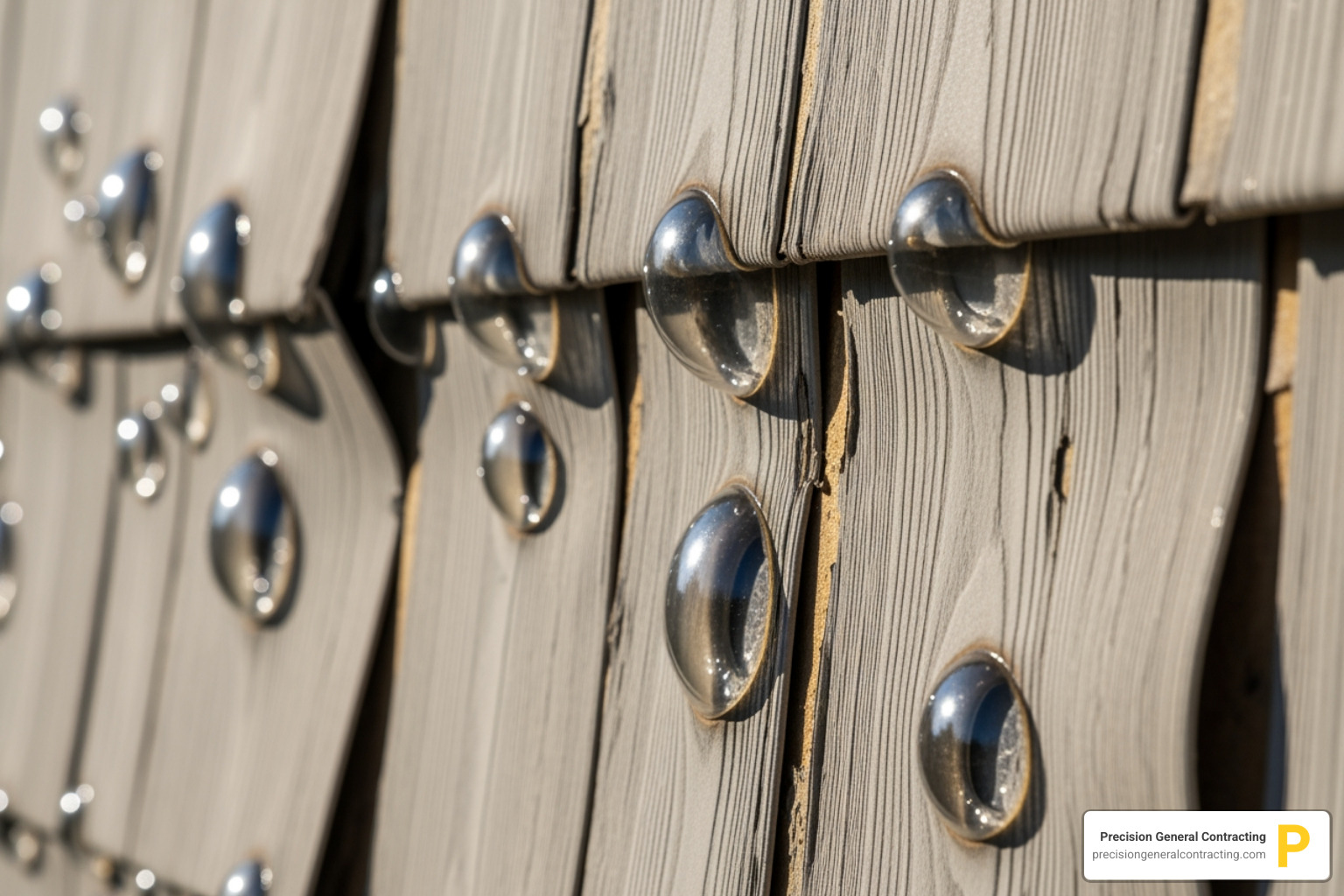
Siding damage isn't just a cosmetic issue; it's a critical warning that your home's protective barrier has been compromised. Acting quickly saves you money and protects your investment. Prompt repairs maintain your home's structural integrity by preventing moisture from seeping into walls, which can lead to rot and mold. A sealed exterior also improves insulation, contributing to better energy efficiency and lower utility bills.
Common Signs of Siding Damage
Our homes in San Diego County face unique challenges, from the coastal moisture to the occasional Santa Ana winds. These conditions can take a toll on your siding, making it crucial to recognize the warning signs. Here’s what we, as experienced siding repair contractors, advise our clients to look out for:
- Cracks: These are often the first visible signs of wear and tear, especially in older or brittle materials. Cracks are open invitations for water and pests.
- Holes: Small holes can be caused by impacts, pests, or even poorly executed DIY projects. Even a tiny hole can lead to significant water damage behind your siding.
- Warping: When siding panels bend or distort, it usually indicates moisture absorption or extreme temperature fluctuations. Warping can compromise the integrity of your entire siding system.
- Bubbling: This is a strong indicator of moisture trapped beneath the surface, often a precursor to rot or mold.
- Fading paint: While not always a structural issue, severe fading can mean your siding's protective coating is failing, leaving the material beneath vulnerable.
- Loose panels: Strong winds, like those we sometimes experience in areas like Fallbrook or Alpine, can loosen siding panels. Loose panels create openings for water, wind, and pests.
- Wood rot: If you have wood siding, look for soft, discolored, or crumbling sections. Rot is a serious structural threat that needs immediate attention.
- Mold: Green, black, or white growth on your siding is a sign of excessive moisture and can indicate a leak or poor ventilation.
- Mildew: Similar to mold, mildew thrives in damp conditions and can degrade your siding over time.
- Water stains: Stains beneath windows or along seams are clear evidence of water intrusion, which can lead to hidden damage.
Damaged siding isn't just an eyesore; it can severely impact your home's insulation and energy efficiency, leading to higher utility bills.
The Benefits of Prompt Siding Repair
Addressing siding damage quickly offers a multitude of benefits that protect your home and your wallet:
- Energy efficiency: Gaps, cracks, or other defects in your siding allow conditioned air to escape and outside air to enter. Prompt repairs seal these breaches, improving your home's insulation and helping to regulate indoor temperatures. This can translate to significant savings on your energy bills.
- Structural protection: Your siding is your home's first line of defense against moisture. When it's compromised, water can seep into the wall structure, leading to costly issues like wood rot, mold growth, and weakened framing. Repairing siding promptly prevents this domino effect of damage.
- Pest prevention: Tiny cracks and holes in your siding are perfect entry points for pests like insects, rodents, and even birds. Sealing these openings ensures your home remains a fortress against unwanted visitors.
- Increased property value: A well-maintained exterior significantly boosts your home's curb appeal and market value. Potential buyers are often deterred by visible siding damage, which suggests deeper, more expensive problems.
- Improved curb appeal: Let's be honest, we all want our homes to look their best! Repairing damaged siding restores your home's aesthetic appeal, making it a source of pride in neighborhoods like La Jolla or Rancho Santa Fe.
For those considering our structural aluminum Four Seasons covers, you'll be glad to know that our products come with a transferable Lifetime Warranty, ensuring resistance to rust, warping, cracking, rotting, and insects, providing an unparalleled level of protection and peace of mind.
Repair or Replace? A Homeowner's Decision Guide
Deciding between a targeted repair and a full replacement is one of the biggest choices a homeowner faces. The right answer depends on the extent of the damage, the age of your siding, and your long-term goals. If the damage is confined to a small area (less than 30%) and your siding is otherwise in good condition, a repair is often the most cost-effective solution. However, for widespread damage, or if your siding is nearing the end of its expected lifespan, a full replacement can be a smarter long-term investment.
| Factor | Siding Repair | Siding Replacement |
|---|
| Cost | Average $870 (range $75-$16,000) | Average $11,450 (up to $40,000 or more) |
| Time | Often completed in a single visit or a few days | Can take several days to weeks depending on home size |
| Scope | Localized to specific damaged sections | Entire exterior of the home |
| Long-Term Value | Extends current siding's life, maintains appearance | Significant increase in home value, curb appeal, energy efficiency, and modern protection |
When to Repair Your Siding
As experienced siding repair contractors, we often recommend repair in the following scenarios:
- Localized damage: If the damage is confined to a small, specific area, such as a few cracked panels or a section affected by a falling branch.
- Minor cosmetic issues: Small dents, scratches, or fading that don't compromise the siding's protective function can often be repaired or painted over.
- One or two damaged panels: Replacing individual panels is far more cost-effective than redoing an entire wall or home.
- Siding is less than 10-15 years old: If your siding is relatively new and in good overall condition, targeted repairs can effectively extend its lifespan without the need for a full overhaul.
Repairing siding can be significantly less expensive than a full replacement, especially for minor damage, and it can prolong the lifespan of your existing siding.
When to Consider a Full Replacement
Sometimes, patching up isn't enough, and a full replacement becomes the wiser choice. This is often the case when:
- Widespread damage: If a large percentage of your siding (say, more than 30%) is damaged—whether from hail, wind, or extensive rot—the cost of individual repairs can quickly approach or exceed the cost of replacement.
- Siding has reached its lifespan: Different materials have different lifespans. Vinyl, aluminum, and wood siding typically last 20 to 40 years. Fiber cement siding can last around 50 years. Brick and stone veneer siding can last at least 100 years. If your siding is at or past its prime, a full replacement offers a fresh start.
- Faded color you can't match: Over time, siding colors can fade. If you can't find replacement panels that perfectly match your existing siding, a full replacement ensures a uniform and attractive appearance.
- You want to upgrade materials: Perhaps you have older vinyl siding and want to upgrade to a more durable, aesthetic material like fiber cement, or our own structural aluminum Four Seasons covers. A replacement is the perfect opportunity for this kind of upgrade.
- Underlying structural rot: If inspection reveals extensive rot or moisture damage to the sheathing or framing beneath your siding, a full replacement allows us to address these deeper structural issues properly.
For a 2,000 sq ft house, vinyl siding replacement costs between $9,000 and $14,000, while wood siding replacement can be $16,000-$26,000. Brick or stone siding replacement for the same size home can range from $18,000 to $100,000. Clearly, the material choice heavily influences replacement costs.
Navigating Siding Materials and Repair Costs
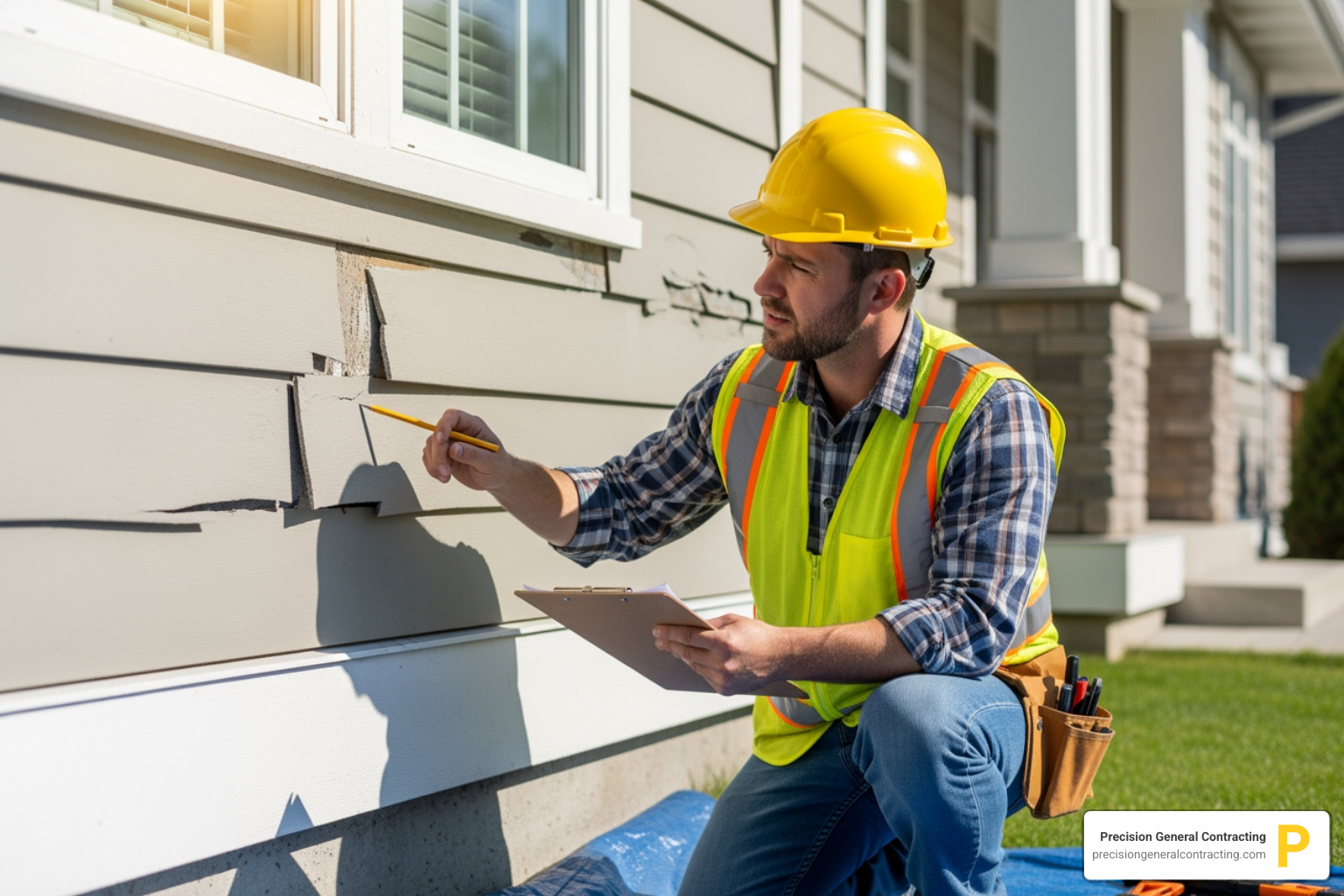
The cost of your siding repair project is influenced by two main factors: the type of material on your home and the extent of the damage. Different materials have unique properties that affect the complexity and price of a repair. Understanding these variables will help you budget effectively and communicate clearly with potential siding repair contractors.
Factors That Influence the Average Cost of Siding Repair
The average cost for siding repair is around $870, but this can vary wildly, ranging from $75 for a minor fix to $16,000 for extensive damage. Here's what goes into that calculation:
- Average cost $870: This figure represents a broad average. Your specific project could be much less or much more.
- Cost per square foot: Basic siding repair can cost between $2 and $16 per square foot for materials and labor. Extensive damage or more expensive materials like stucco can push costs to $4 to $50 per square foot.
- Material type: As we've discussed, some materials are inherently more expensive to repair than others. Vinyl is generally the least expensive to repair, while fiber cement or masonry will be on the higher end.
- Extent of damage: A small crack or a single loose panel will obviously cost less than repairing an entire section of a wall or addressing widespread rot.
- Labor rates: The cost of labor can vary based on your location within San Diego County and the specific expertise required for the repair.
- Accessibility of damage: If the damaged area is high up, requires scaffolding, or is difficult to reach, labor costs will increase.
- Matching older/discontinued siding: Finding a perfect match for older or discontinued siding can be a challenge. Sometimes, this requires custom work or a larger section replacement to ensure a seamless look, adding to the expense.
When getting quotes, a detailed, itemized estimate is crucial to understanding exactly what you're paying for.
The Ultimate Guide to Hiring Siding Repair Contractors
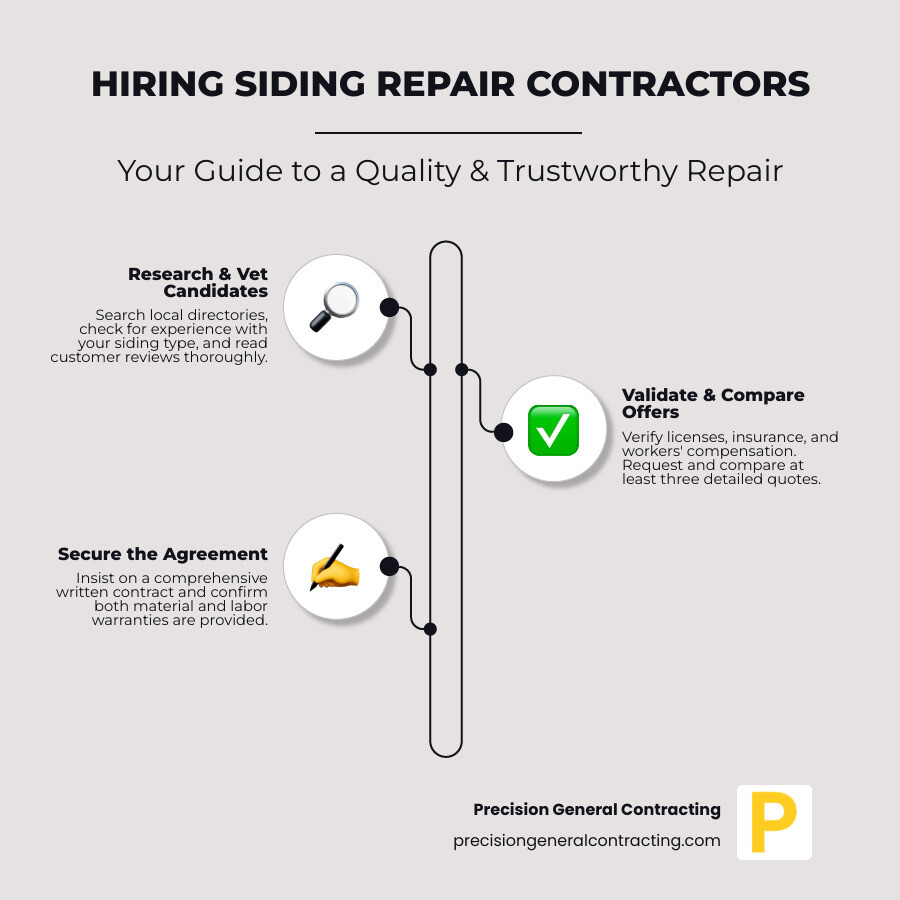
Finding the right professional is the most important step in ensuring a quality, long-lasting repair. A qualified contractor not only has the technical skill to do the job right but also operates with integrity, transparency, and a commitment to customer satisfaction. This process involves research, vetting, and asking the right questions.
How to Find and Vet Reputable Professionals
When we're looking for siding repair contractors in San Diego, we follow a rigorous process. Here's what we recommend to our clients:
- Local searches: Start with online searches for "siding repair contractors San Diego," "siding repair Bonita," or "siding repair Carlsbad." This will give you a list of local companies.
- Online directories: Use platforms like the Better Business Bureau (BBB). These sites often list contractors, their services, customer reviews, and sometimes even their licensing information. The BBB provides a rating system from A+ to F, and accreditation signifies adherence to higher standards.
- Referrals: Ask friends, family, and neighbors in areas like Carmel Valley, Poway, or Del Mar if they've had positive experiences with siding repair contractors. Word-of-mouth recommendations are invaluable.
- Reading reviews: Don't just look at the star rating. Read the actual comments to get a sense of a contractor's professionalism, communication, quality of work, and how they handle issues. Look for patterns in feedback—both positive and negative.
- Checking past work: Reputable siding repair contractors should be able to provide examples or a portfolio of their previous work. This allows you to see the quality of their craftsmanship firsthand.
Must-Have Credentials for Siding Repair Contractors
Before you even consider hiring a contractor, verify these essential credentials. Think of it as your contractor's "report card" for trustworthiness and skill:
- Licensing: This is non-negotiable. A licensed contractor in California demonstrates they meet state-mandated standards for knowledge and competence. Always ask for their license number and verify it with the Contractors State License Board.
- Liability insurance: This protects you, the homeowner, in case of accidental damage to your property during the repair process.
- Workers' compensation: If the contractor has employees, workers' comp insurance protects them in case of injury on your property. Without it, you could be held liable.
- Years of experience: While not a license, significant experience (we're talking 10+ years) often translates to better problem-solving skills and higher quality work. A company with decades of experience in siding repair, installation, and replacement showcases the value of long-standing expertise.
- National Association of the Remodeling Industry (NARI): Membership in NARI indicates a contractor's commitment to high standards of honesty, integrity, and responsibility.
Avoiding Common Mistakes in the Hiring Process
We've seen it all, and we want to help you steer clear of common pitfalls:
- Get multiple quotes: We can't stress this enough. Obtain at least three detailed estimates from different siding repair contractors. This allows you to compare pricing, scope of work, and proposed solutions. The cheapest quote isn't always the best value.
- Insist on a written contract: Never proceed with verbal agreements. A comprehensive contract should include an itemized price breakdown of materials and labor, a clear timeline for completion, payment schedules, and details about warranties. This protects both parties.
- Avoid large upfront payments: A typical down payment might be up to 50% for larger projects, but never pay 100% upfront. A payment schedule tied to project milestones is a fair approach.
- Clarify debris removal: Ask who is responsible for cleaning up and disposing of old siding materials and construction debris. You don't want to be left with a mess after the work is done!
Key Questions to Ask Before You Hire
To help you make an informed decision, here are some crucial questions to ask potential siding repair contractors:
- What is your experience with my specific siding material? (e.g., vinyl, wood, fiber cement, structural aluminum) We pride ourselves on expertise across various materials, including our durable structural aluminum Four Seasons covers.
- Do you offer a warranty on labor and materials? This is critical. A good contractor will provide a warranty for their workmanship, and they should also inform you about the manufacturer's warranty on the materials used. For our structural aluminum products, we offer a transferable Lifetime Warranty.
- Can you provide an itemized quote and project timeline? You need to know exactly what you're paying for and when to expect the work to be completed.
- Who will be the project manager on-site? Knowing who your main point of contact will be for questions or concerns is important for smooth communication.
- How do you handle unexpected damage found during the repair? Sometimes, hidden issues (like rot behind the siding) are finded. Ask how they communicate these findings and what the process is for approving additional work.
- Are you insured? Ask for proof of liability insurance, property damage coverage, and workers' compensation insurance.
- Are you licensed? Request their license number and verify it with the state.
- Can you provide any references from customers that required similar jobs? Speaking with past clients can offer valuable insights into a contractor's work ethic and customer service.
- Who is responsible for debris and waste created by the project? Ensure this is explicitly stated in the contract.
Frequently Asked Questions about Siding Repair
How long does siding typically last?
The lifespan of siding varies greatly by material. Here’s a general breakdown:
- Vinyl, aluminum, and wood siding: These typically last 20 to 40 years. Proper maintenance is key to reaching the higher end of this range.
- Fiber cement siding: This durable option can last around 50 years.
- Brick and stone veneer siding: These materials are incredibly robust and can last at least 100 years or more with minimal maintenance.
The climate in areas like San Diego, with its moderate temperatures and occasional coastal humidity, can influence longevity. Our structural aluminum Four Seasons covers are designed for exceptional durability and come with a transferable Lifetime Warranty, offering long-term peace of mind.
Will my homeowners insurance cover siding repair?
Coverage depends on your policy and the cause of damage. Generally:
- Damage from sudden, unforeseen events like storms (wind, hail), natural disasters, or fire is often covered. For example, if a severe storm rolls through Chula Vista or Encinitas and damages your siding, your policy might cover it.
- Damage from general wear and tear, neglect, or improper installation is typically not covered. Insurance is for sudden accidents, not for maintenance issues that develop over time.
We always recommend reviewing your homeowners insurance policy carefully and contacting your provider directly to understand your specific coverage before initiating repairs.
How do warranties on siding work?
Understanding warranties is crucial for protecting your investment. There are generally two types of warranties involved:
- Material warranty (from the manufacturer): This covers defects in the siding material itself. For instance, if the vinyl siding warps prematurely due to a manufacturing flaw, the manufacturer’s warranty would apply. The length and terms vary by manufacturer and material.
- Labor or workmanship warranty (from the contractor): This covers errors or issues related to the installation process. If the siding is installed incorrectly and begins to fail as a result, your contractor's warranty would cover the repair.
Always get the details for both warranties in writing, including what they cover, how long they last, and what actions might void them. For our Four Seasons covers made from structural aluminum, we offer a transferable Lifetime Warranty that specifically covers resistance to rust, warping, cracking, rotting, and insects, giving you comprehensive protection.
Restore Your Home's Shield with Confidence
Taking care of your siding is essential for protecting your home's value, safety, and appearance. By learning to spot the signs of damage, understanding your options, and thoroughly vetting potential siding repair contractors, you can tackle any repair with confidence. A well-executed repair by a skilled professional will ensure your home remains secure and beautiful for years to come. For homeowners in the San Diego area looking for an expert team, Precision General Contracting provides durable, low-maintenance siding solutions backed by a transferable Lifetime Warranty.
Ready to protect your home? Learn more about our expert siding services in San Diego.